The McKinley Mandate: Tariffs for Strategic Industry
A framework for lasting, targeted protection of the industries a sovereign country cannot do without.
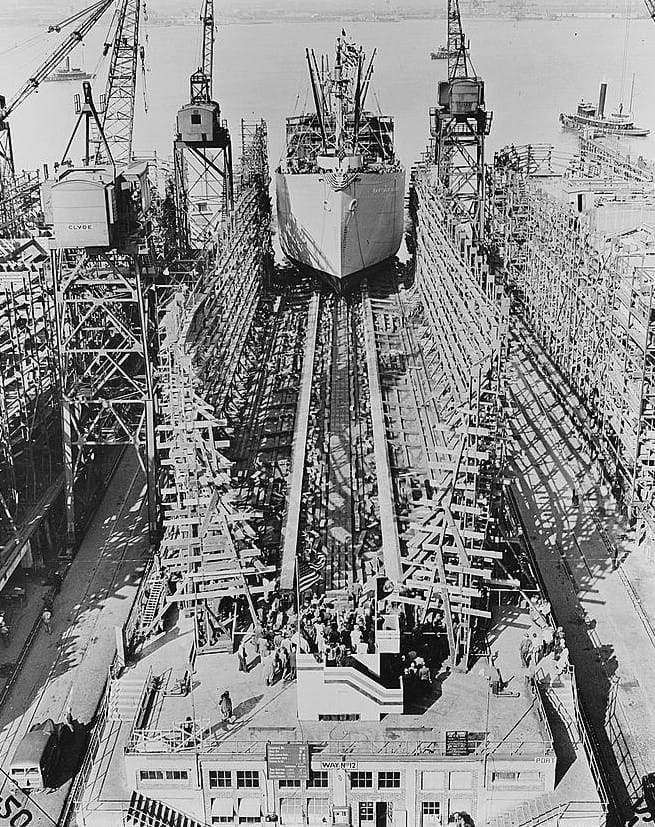
For most of the nineteenth century the United States grew into the world's leading industrial power behind protective tariffs. Hamilton argued for it in 1791, Clay built a program around it, Lincoln signed it into law, and McKinley made it his life's work. Their reasoning was simple. A country that cannot make things cannot defend itself, and workers forced to compete with subsidized foreign labor will not stay in the middle class for long.
View as table
| Year | Annual average employment, millions |
|---|---|
| 1970 | 17.8M |
| 1979 | 19.4M |
| 1990 | 17.7M |
| 2000 | 17.3M |
| 2007 | 13.9M |
| 2010 | 11.5M |
| 2019 | 12.8M |
| 2024 | 12.9M |
The problem
Decades of offshoring left the country dependent on rivals for things it cannot do without: advanced chips, the active ingredients in common medicines, rare earth processing and ships. In a crisis, each of those is leverage held against us.
View as table
| Approximate share of global commercial shipbuilding by tonnage, 2023 | |
|---|---|
| China | 51% |
| South Korea | 28% |
| Japan | 15% |
| Rest of world | 6% |
| United States | 0.1% |
Five principles
- Name the strategic sectors explicitly, using national security and supply chain criteria.
- Keep protection stable so companies can plan in decades, not news cycles.
- Pair tariffs with capacity: permitting reform, worker training and infrastructure.
- Favor partners in our hemisphere for supply chains that cannot come all the way home.
- Measure success in American jobs, capacity and resilience.
Next
Later briefs in this series will cover shipbuilding, critical minerals and medicine supply chains in detail, with specific legislative proposals.
More from the Journal
All entries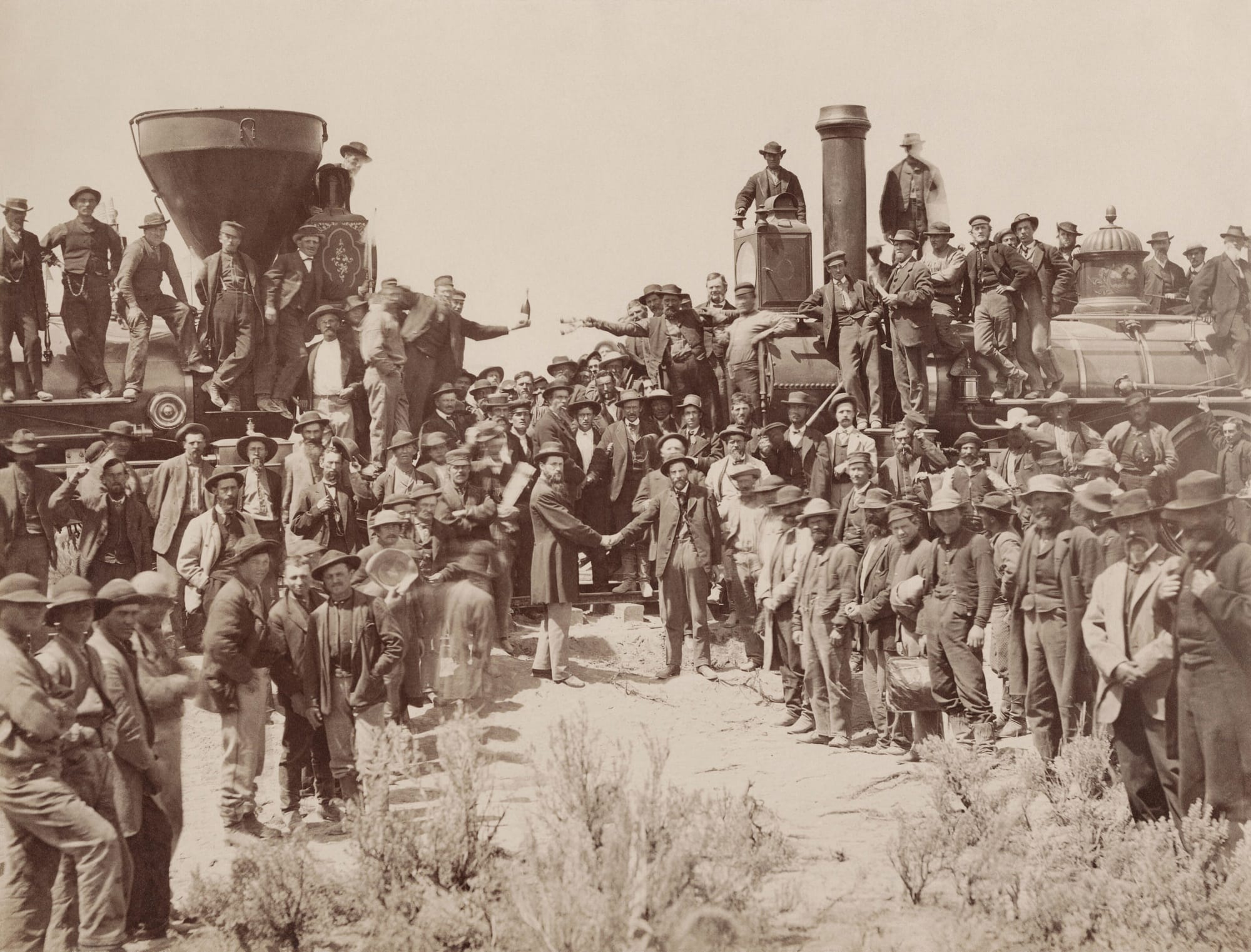
More Than a Creed: Who Americans Are
A list of ideals can't make a nation. A real, recognizable American people can, and it has always grown.

Why We Started the Monroe Society
Our founding statement: what we believe, why we chose Monroe's name, and where we go from here.
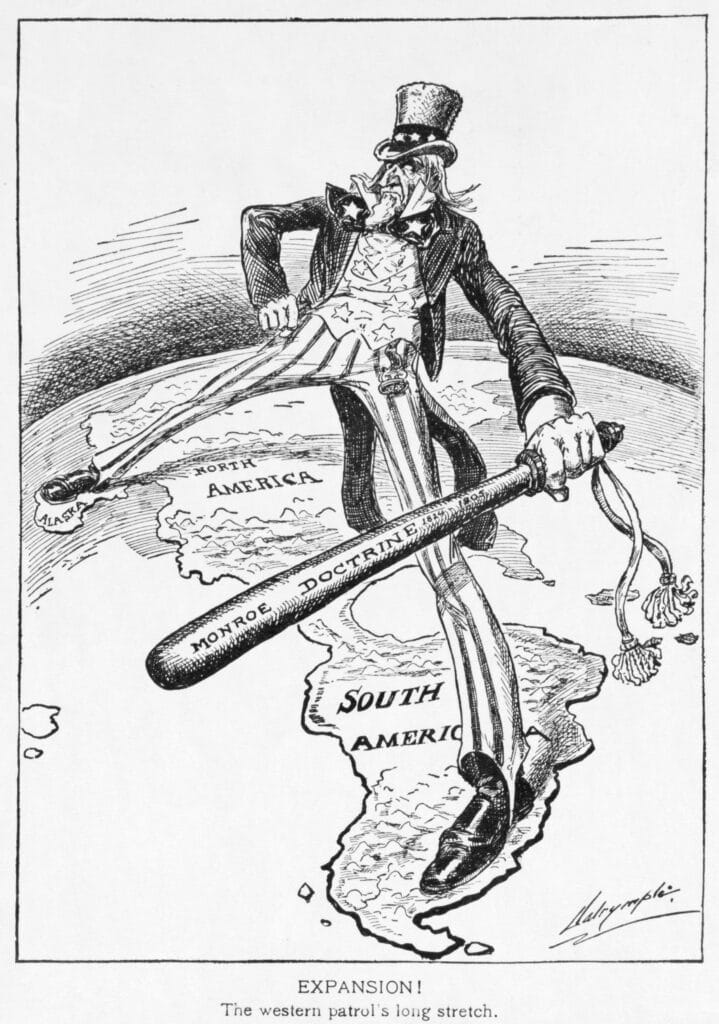
The Hemisphere Comes First
Why removing Maduro made America stronger, and why a war in Iran does the opposite.