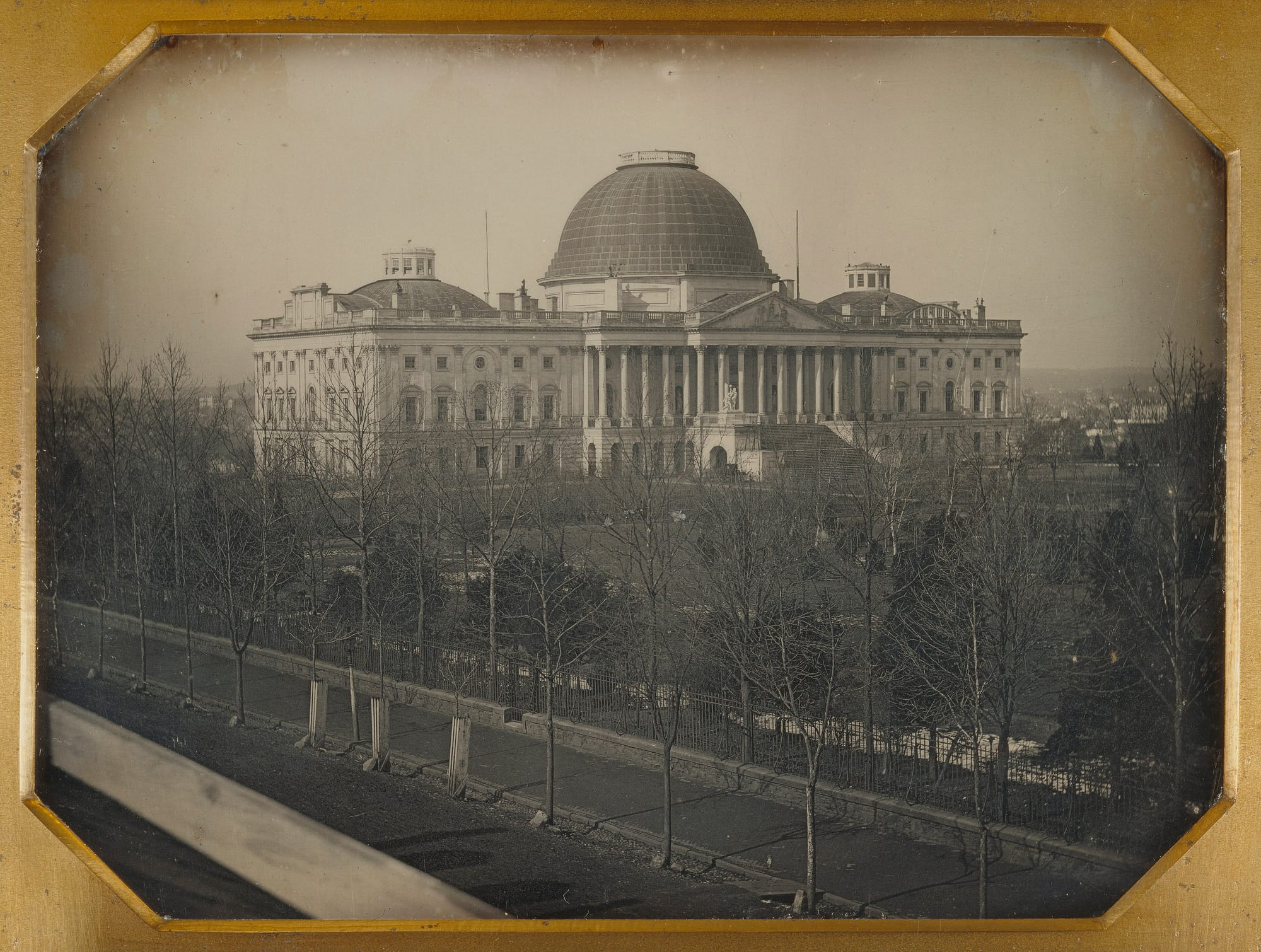
The presidents we claim
None of them was perfect. We take what was best in each: the nationalism, the strategy, the economic populism, the statesmanship. Where the record demands it, we say plainly where we disagree.
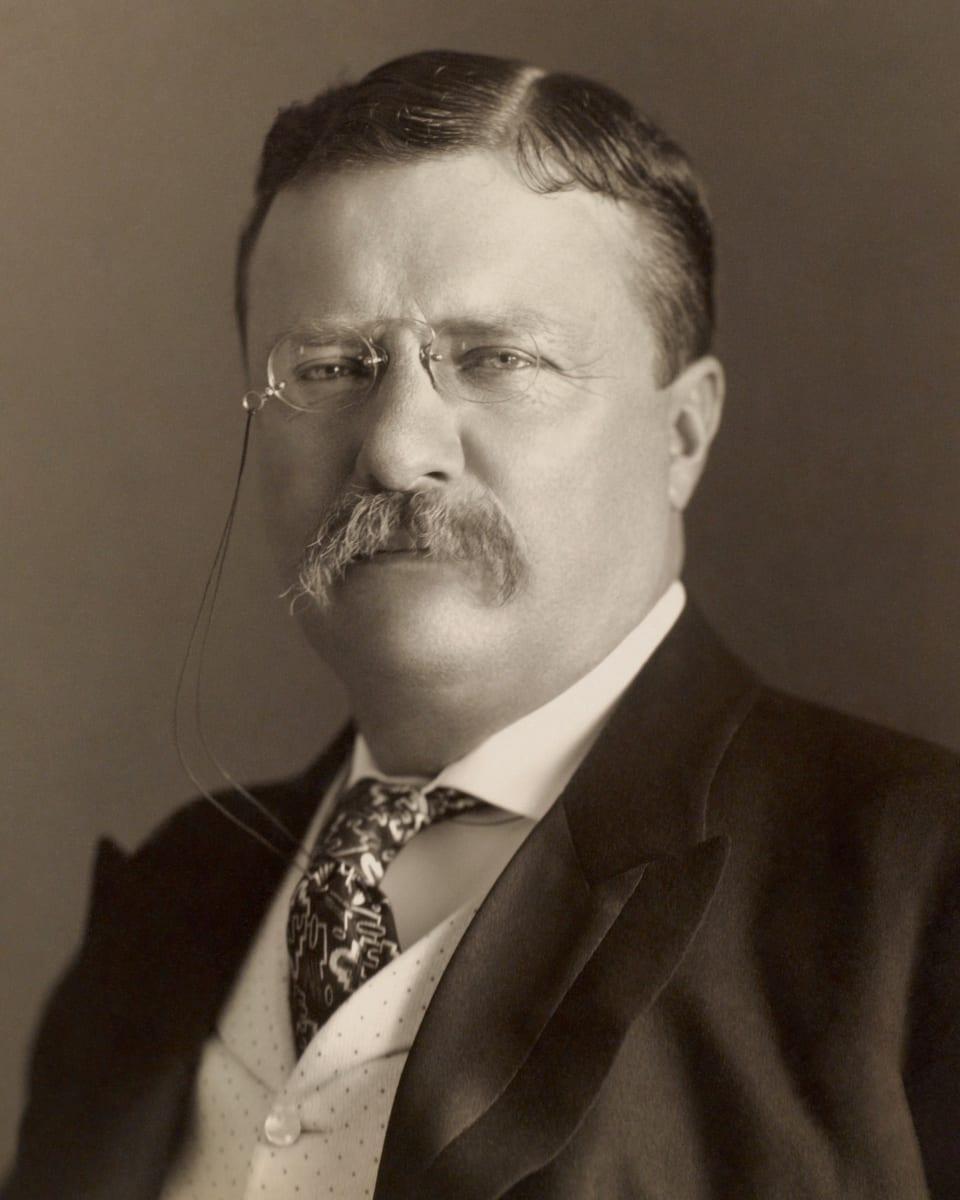
Theodore Roosevelt
“We have room for but one flag, the American flag.”
Roosevelt joined American pride to a modern, capable government. He built the canal, sent the fleet around the world, added his Corollary to the Monroe Doctrine, broke up the trusts and set aside the national parks. He asked every citizen to be simply American.
- 1902Settles the anthracite coal strike on behalf of the public: the Square Deal.
- 1904Roosevelt Corollary extends the Monroe Doctrine.
- 1904Construction of the Panama Canal begins under American control.
- 1907The Great White Fleet sails around the world.
- One nation and one people, with no divided loyalties.
- Diplomacy carries weight when real power stands behind it.
- Government should discipline monopoly in the public interest.
- Hard work and achievement are civic virtues.
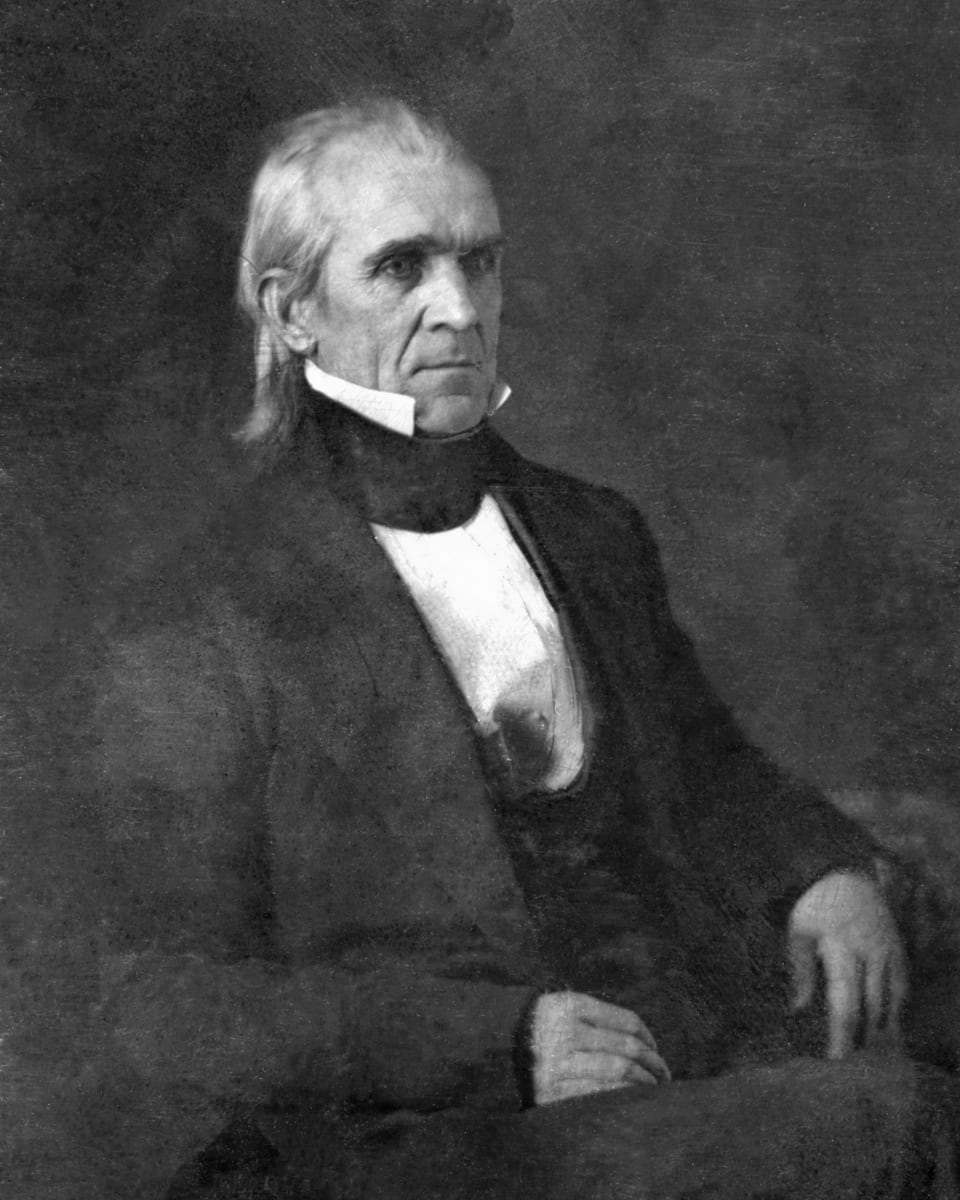
James K. Polk
“No President who performs his duties faithfully and conscientiously can have any leisure.”
Polk named his goals at the start of a single term and met every one. He settled the Oregon boundary with Britain, brought California and the Southwest into the Union, and restated the Monroe Doctrine in his first annual message. In four years the United States became a continental nation from the Atlantic to the Pacific.
- 1845First annual message restates Monroe's principle against European interference in North America.
- 1846Oregon Treaty fixes the northern border at the 49th parallel.
- 1848Treaty of Guadalupe Hidalgo adds California and the Southwest.
- Set clear national goals and deliver them.
- Discipline and follow-through win more than speeches.
- European powers have no business in North America.
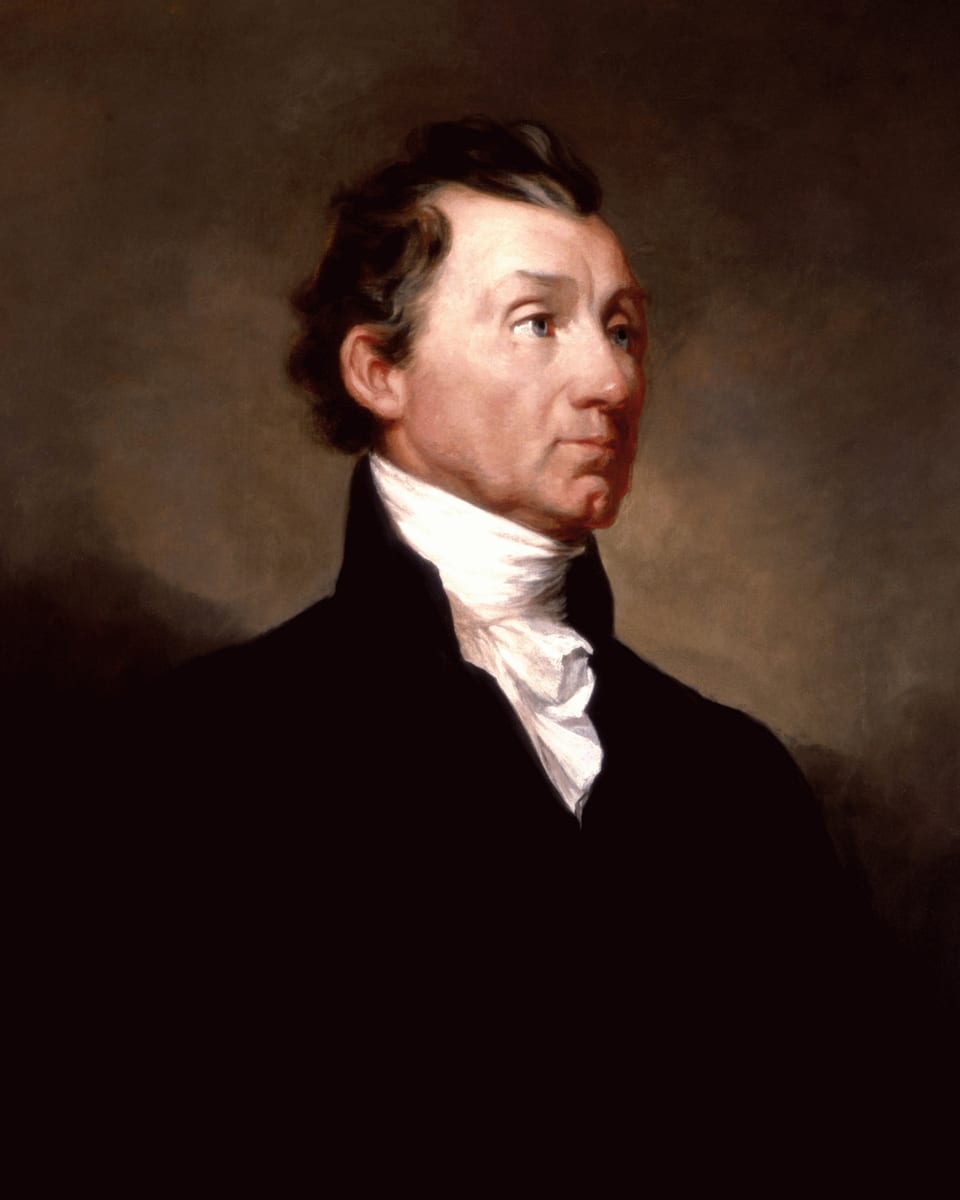
James Monroe
“The American continents … are henceforth not to be considered as subjects for future colonization by any European powers.”
Monroe was wounded at Trenton in 1776 and served as diplomat, senator, governor and Secretary of State before the presidency. His years in office became known as the Era of Good Feelings. With John Quincy Adams, he gave the young country its first lasting statement of strategy: Europe stays out of the Americas, and America stays out of Europe's wars.
- 1776Wounded at the Battle of Trenton.
- 1819Adams-Onís Treaty brings Florida into the Union.
- 1823Announces the Monroe Doctrine to Congress.
- The Western Hemisphere is America's first responsibility.
- National unity matters more than faction.
- A plainly stated doctrine can shape rivals' behavior for centuries.
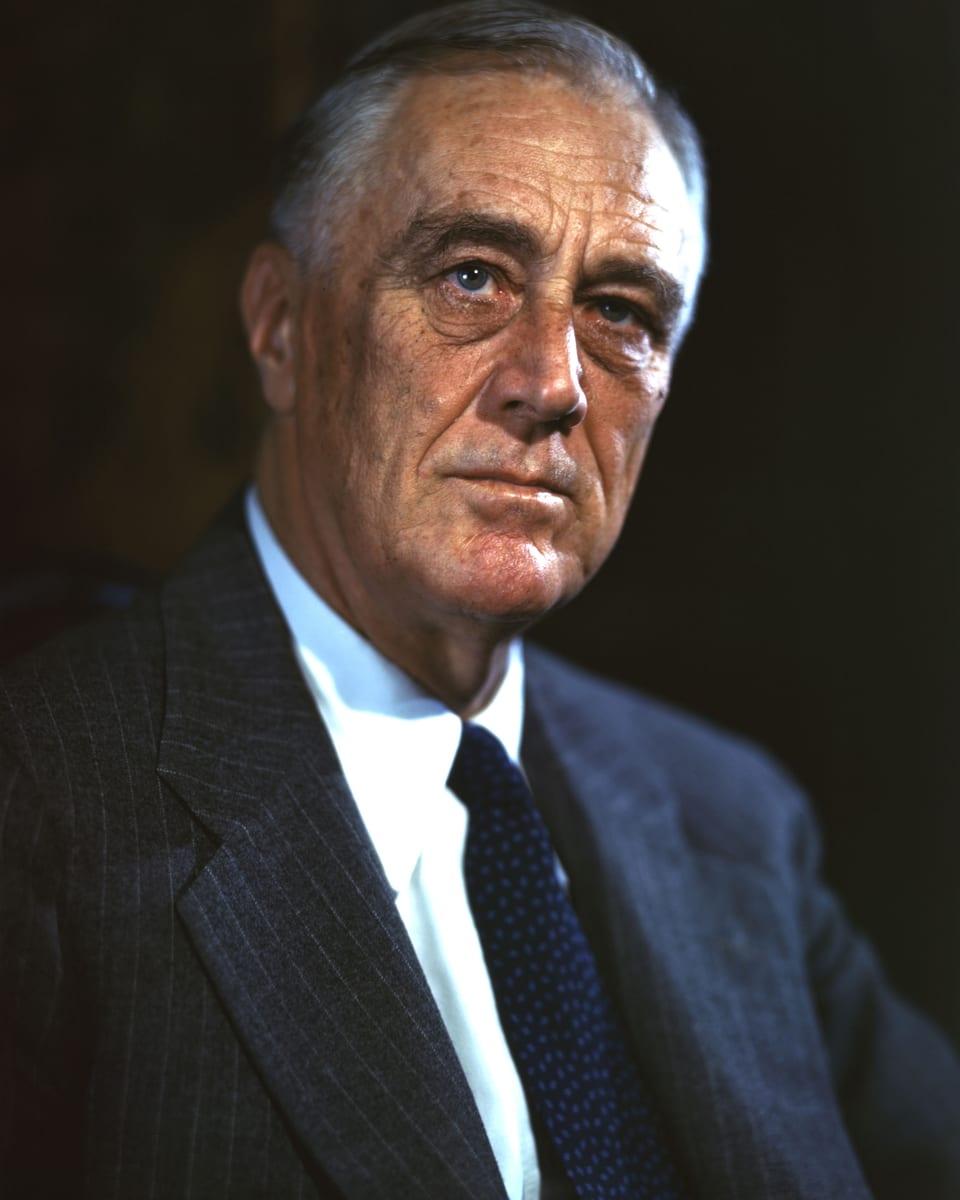
Franklin D. Roosevelt
“The test of our progress is not whether we add more to the abundance of those who have much; it is whether we provide enough for those who have too little.”
Roosevelt answered the Depression with economic populism on a national scale. The New Deal built dams, roads, bridges, power lines and schools, and it restored faith that American capitalism could work for ordinary people. Many historians credit that recovery with keeping communist and fascist movements on the margins here while they rose abroad. In the war he turned American industry into the arsenal of democracy.
- 1933Tennessee Valley Authority brings power and jobs to the rural South.
- 1935Social Security Act and the Works Progress Administration.
- 1940Calls for America to be the great arsenal of democracy.
- An economy that works for most people is the best defense against radicalism.
- Public works build national strength.
- Industrial capacity is military power.

George H. W. Bush
“This will not stand, this aggression against Kuwait.”
Few presidents arrived better prepared: Navy pilot, congressman, ambassador to the United Nations, envoy to China, CIA director and vice president. Bush removed Manuel Noriega in a short operation in Panama, built a coalition of more than thirty nations to reverse the invasion of Kuwait, stopped when the objective was met, and guided the peaceful end of the Cold War.
- 1989Operation Just Cause removes Noriega from power in Panama.
- 1990Germany reunifies peacefully within NATO.
- 1991Operation Desert Storm liberates Kuwait in about six weeks.
- A clear objective, overwhelming force, and the discipline to stop.
- Alliances work when America leads them.
- Experience and judgment matter in the Oval Office.
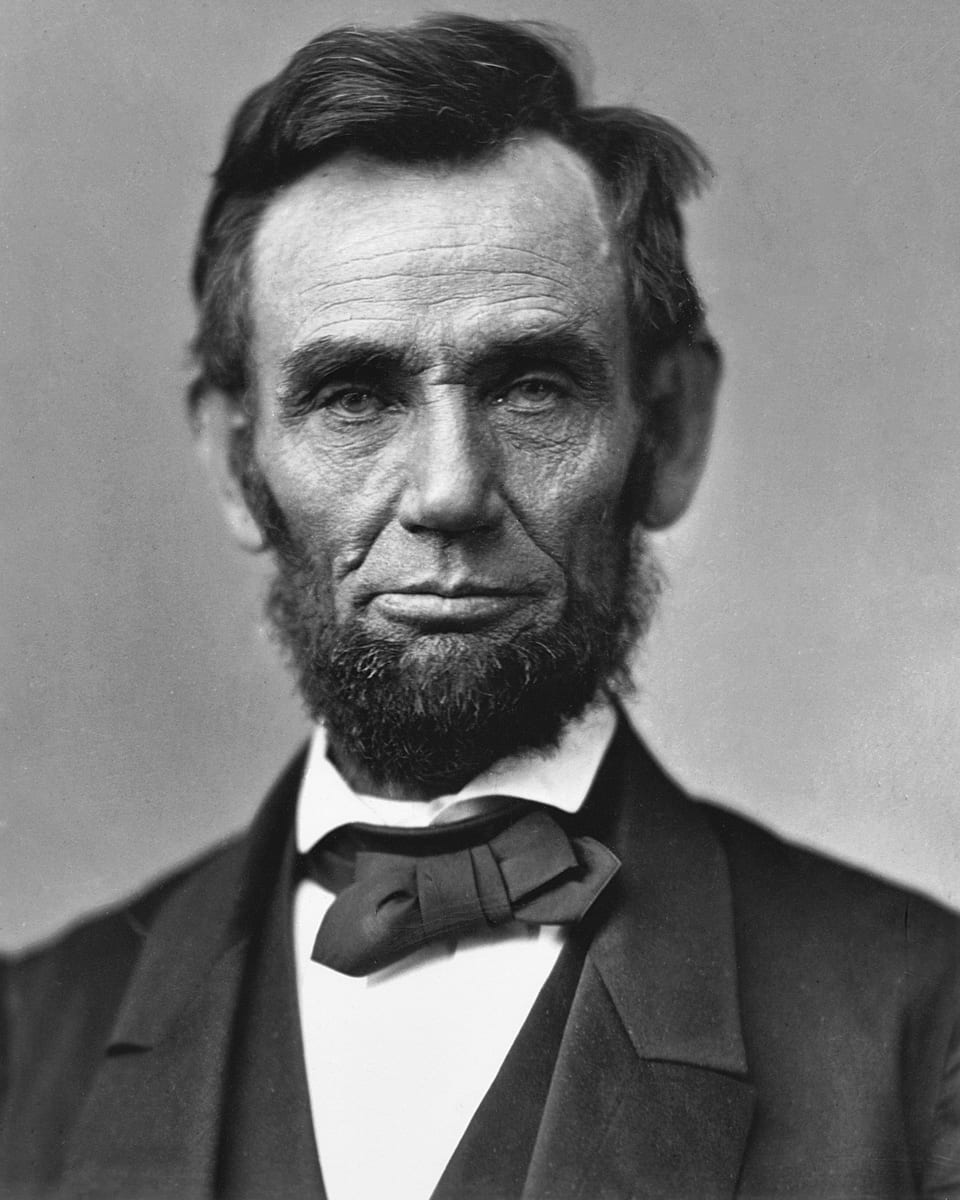
Abraham Lincoln
“A house divided against itself cannot stand.”
Lincoln saved the Union and ended slavery, using the full power of the nation in service of its founding ideals. A protectionist in the tradition of Henry Clay, he kept building during the war: the transcontinental railroad, the Homestead Act and the land-grant colleges all became law under him.
- 1861Signs the protective Morrill Tariff.
- 1862Pacific Railway Act, Homestead Act and Morrill Land-Grant Act.
- 1863Emancipation Proclamation and the Gettysburg Address.
- The Union is permanent, and national unity is worth defending.
- A statesman uses persuasion and power together.
- Keep building the country even in its hardest years.

John F. Kennedy
“We choose to go to the Moon in this decade and do the other things, not because they are easy, but because they are hard.”
Kennedy faced down the Soviet Union when it put nuclear missiles in Cuba, ninety miles from Florida. He quarantined the island, held firm in public, kept a channel open in private, and got the missiles out without a war. It was the Monroe Doctrine applied in the nuclear age. He also set the country on course for the Moon and asked Americans to see citizenship as a duty, not only a set of rights.
- 1961Inaugural address: ask what you can do for your country.
- 1961Alliance for Progress offers the hemisphere an American alternative to communism.
- 1962Cuban Missile Crisis: Soviet missiles leave the hemisphere.
- 1962Commits the nation to landing on the Moon within the decade.
- Hostile powers do not get a military foothold in our hemisphere.
- Firmness and diplomacy together can win without a war.
- Great national goals bring out the best in the country.
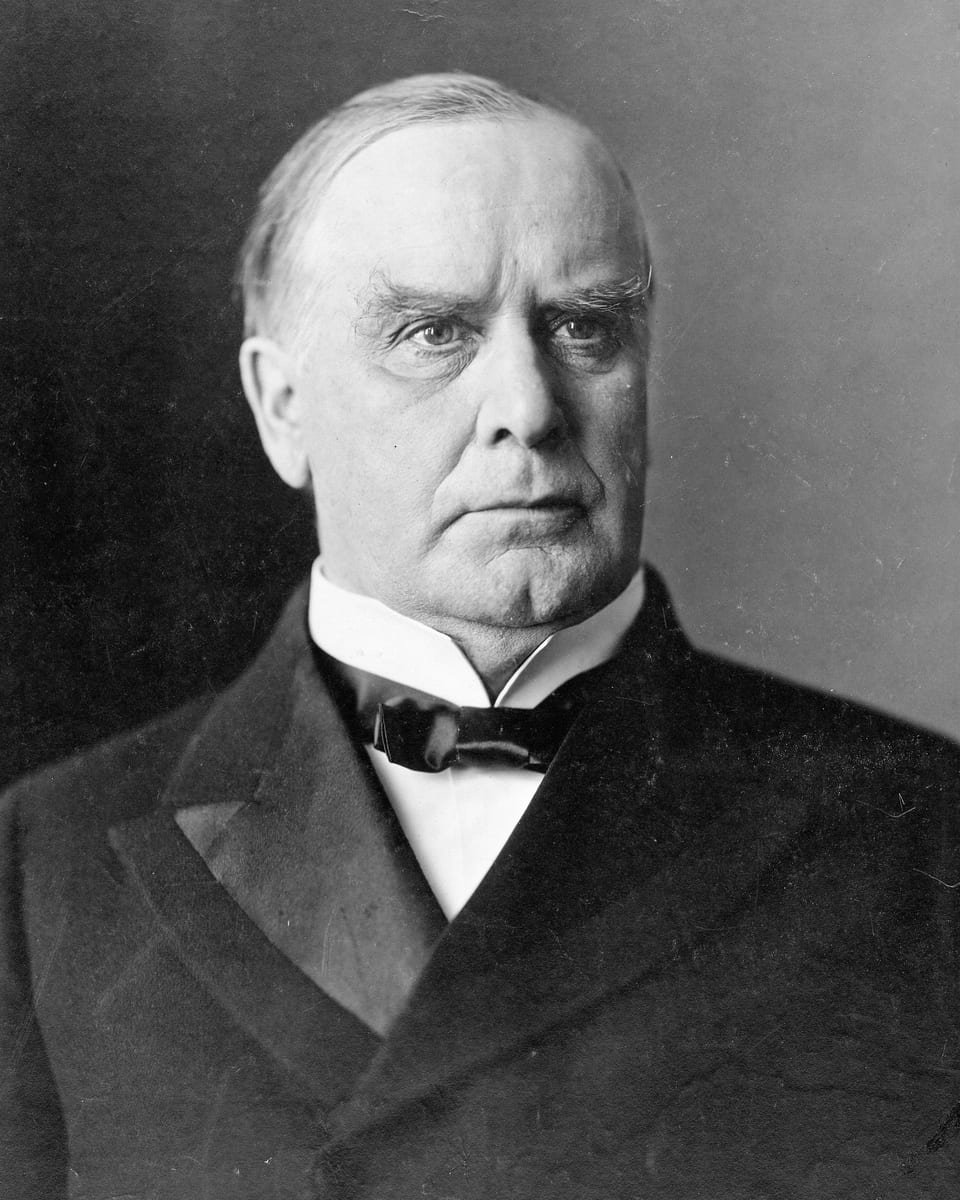
William McKinley
“Under free trade the trader is the master and the producer the slave.”
As a congressman McKinley wrote the Tariff Act of 1890 that carries his name, and as president he signed the Dingley Tariff of 1897. His policy defended American industry and labor during the country's rise to industrial leadership. The Spanish-American War ended Spain's empire in the Caribbean and marked the arrival of the United States as a world power.
- 1890McKinley Tariff passes the House under his leadership.
- 1897Signs the Dingley Tariff.
- 1898Victory over Spain ends European colonial rule in Cuba.
- Protecting American producers is a matter of national strength.
- Industrial power comes before global standing.
- European empires do not belong in our hemisphere.
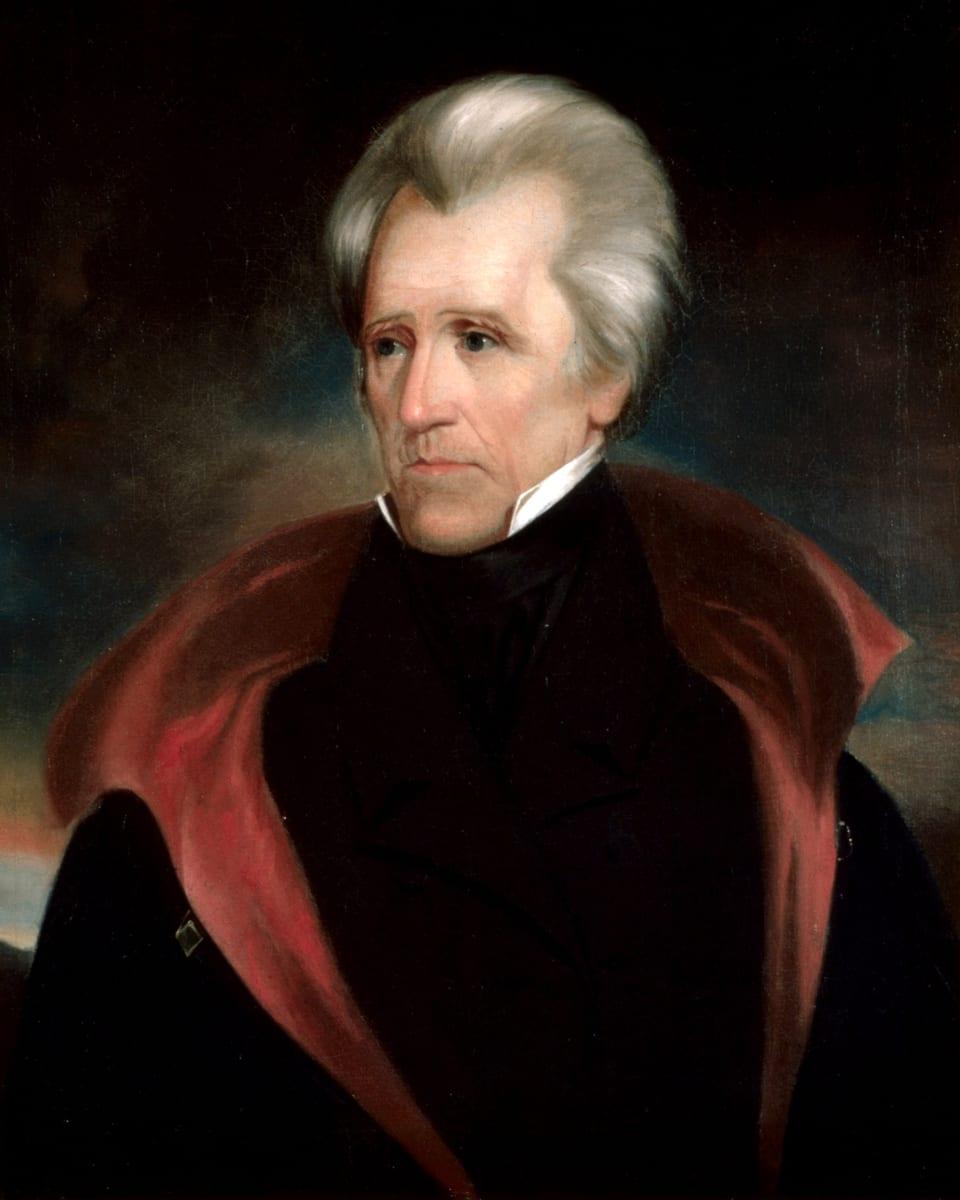
Andrew Jackson
“Our Federal Union: It must be preserved.”
Jackson was the hero of New Orleans and a nationalist to the core. He championed ordinary Americans against a connected elite, widened participation in democracy, and faced down South Carolina when it claimed the right to nullify federal law.
- 1815Defeats the British at the Battle of New Orleans.
- 1832Nullification Proclamation defends federal authority.
- The people govern, not a privileged establishment.
- The Union stands above faction.
- Courage in the face of entrenched power.
The founders of the ideas
The Articles draw directly on these statesmen as well. Hamilton and Clay never held the presidency, but few did more to shape it.

His Farewell Address warned against permanent alliances and foreign quarrels. Article III starts here.
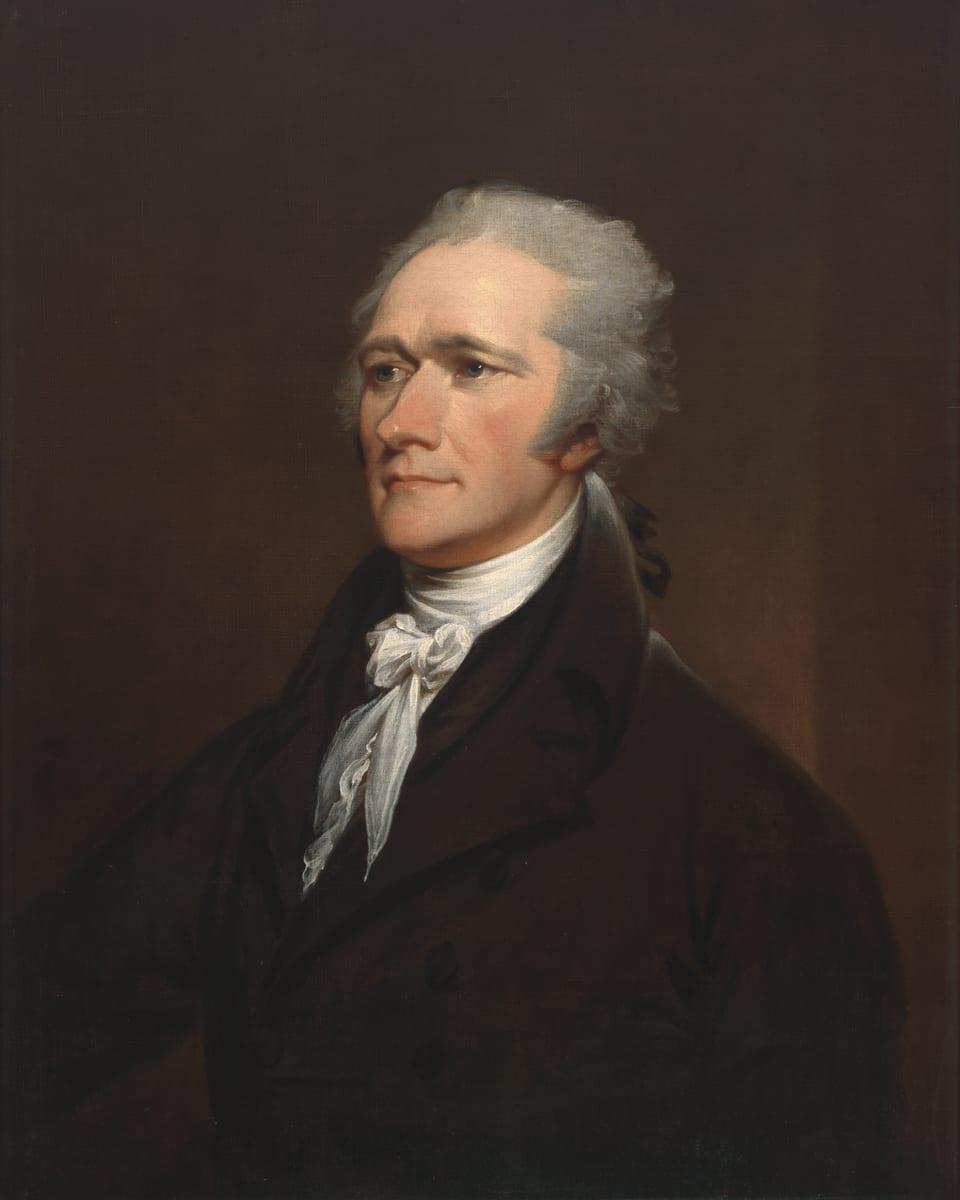
His Report on Manufactures made the case that industry is tied to independence and security. The root of Article VI.
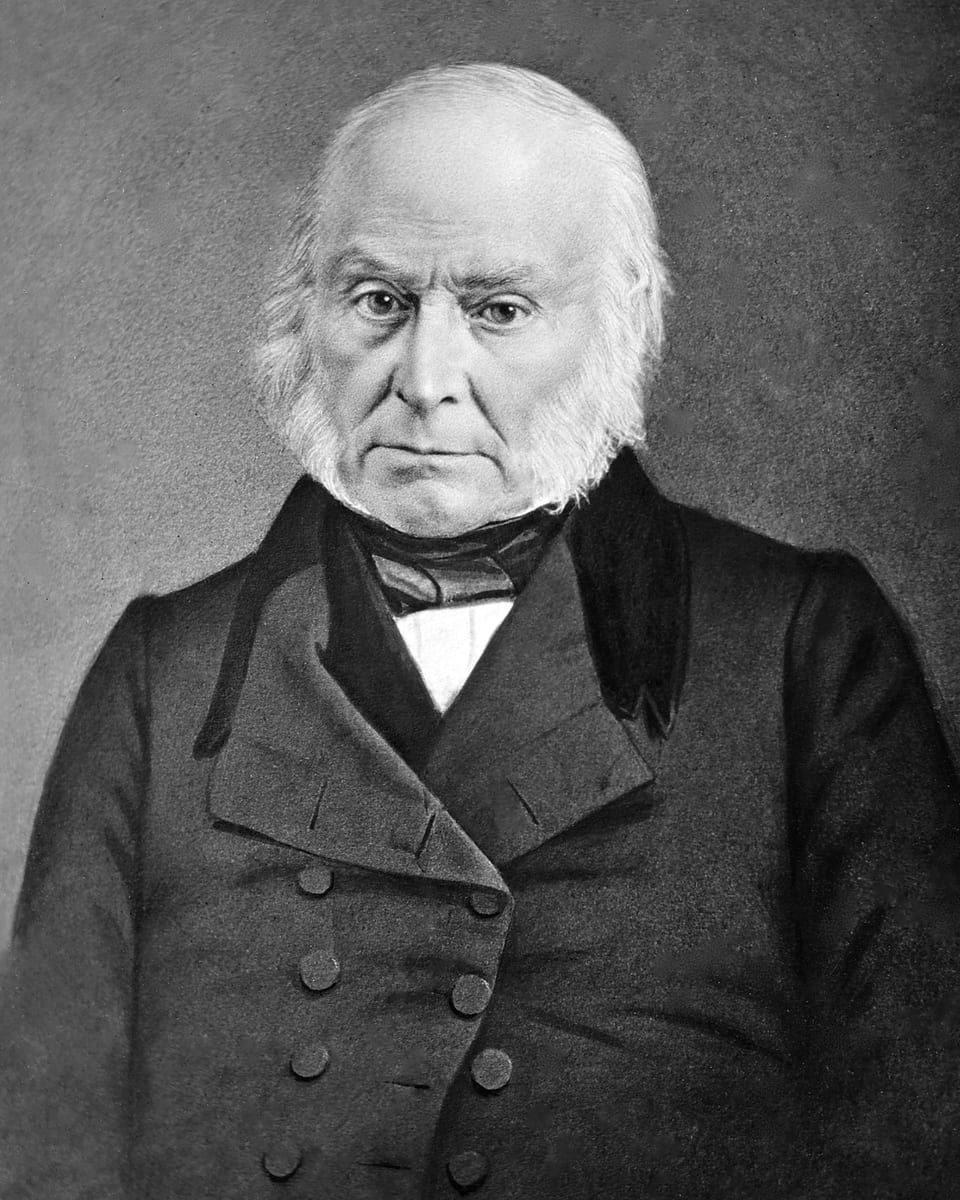
Drafted much of the Monroe Doctrine and warned that America should not go abroad in search of monsters to destroy.

His American System of tariffs, a national bank and internal improvements shaped Lincoln and the Republicans who followed.
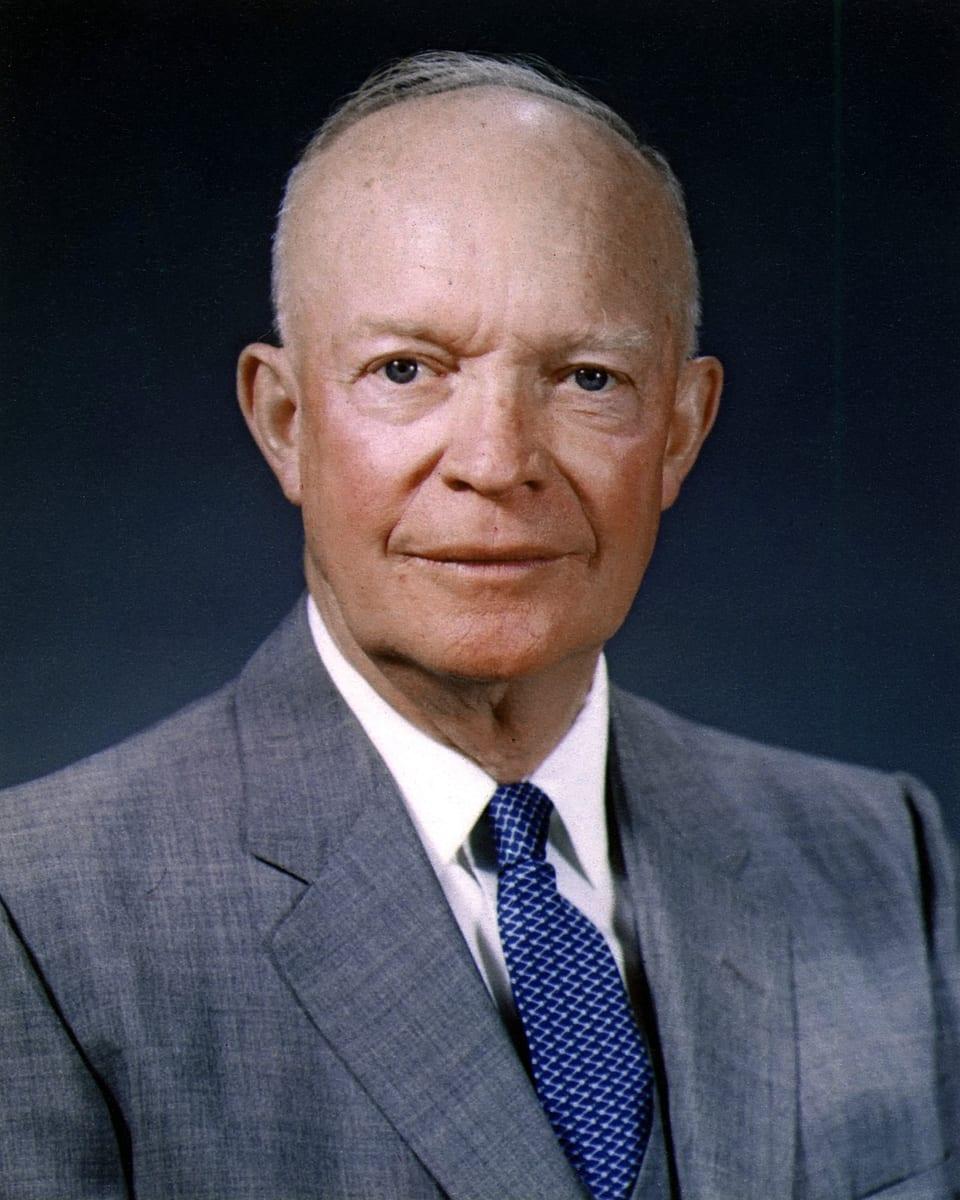
Ended the Korean War, refused to send American forces to Dien Bien Phu in 1954, and built the Interstate Highway System.
Find your closest president.
Make twelve decisions in the Oval Office and see whose record best matches yours.