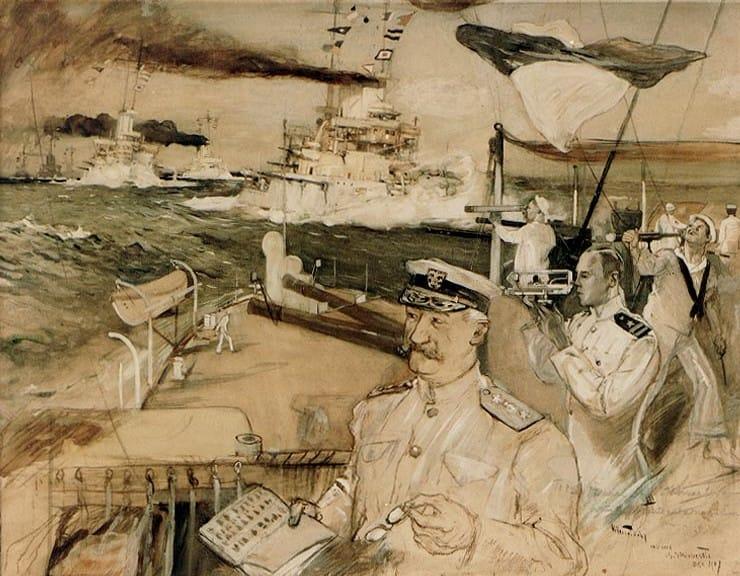
A journal, a policy desk and a political association.
The Monroe Society is an American nationalist organization. We publish, write policy and organize citizens around one idea: the interests of the United States come first, starting with our own hemisphere.
The Journal
News, opinion and history from an American nationalist point of view, written for citizens rather than insiders.
The Policy Desk
Specific, sourced policy briefs on trade, defense, industry and the hemisphere.
The Association
Members who endorse, organize and campaign for candidates and policies that hold to the Ten Articles.
America’s first grand strategy, in one message to Congress.
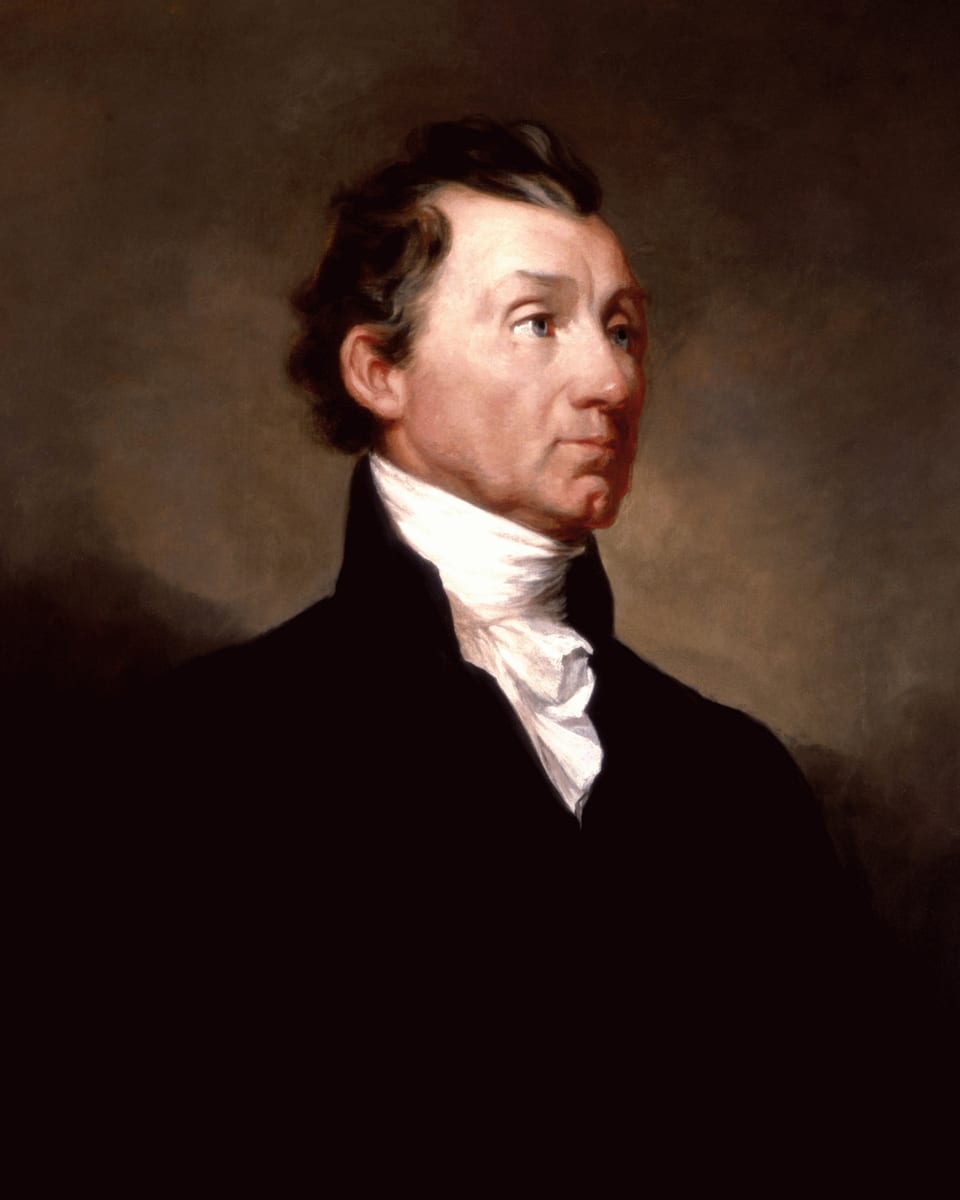
James Monroe fought at Trenton, served as a diplomat in Paris, London and Madrid, and became the fifth president. In 1823, working with his Secretary of State John Quincy Adams, he told the world three things. The Americas are not for foreign empires. The United States will stay out of distant powers’ quarrels. And it will defend its own hemisphere.
Two hundred years later those three ideas are still the best foundation for American strategy. They are realistic without being timid, confident without being reckless, and focused on the one interest a government is truly bound to serve: that of its own citizens.
- 1825Erie Canal
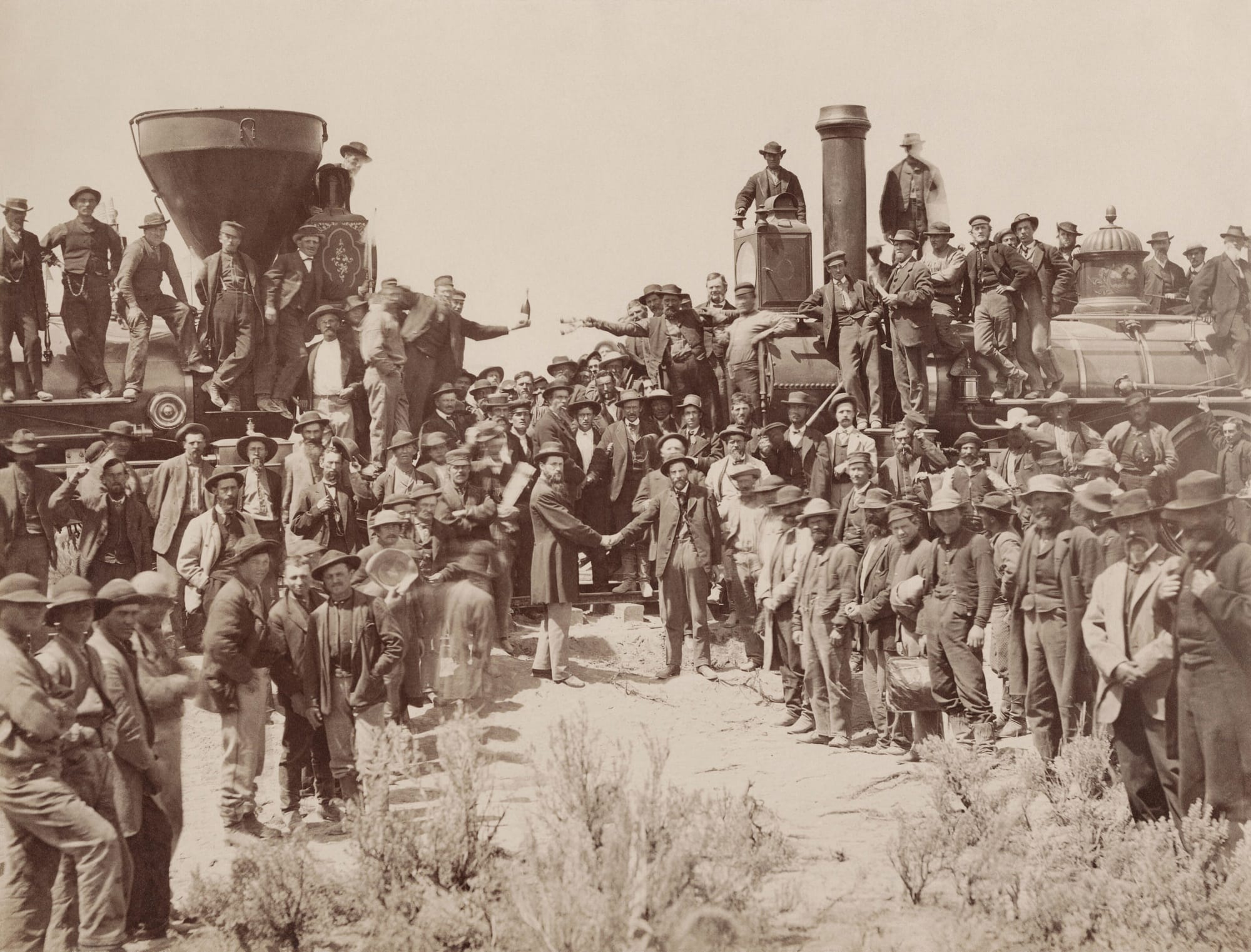
- 1869Transcontinental Railroad
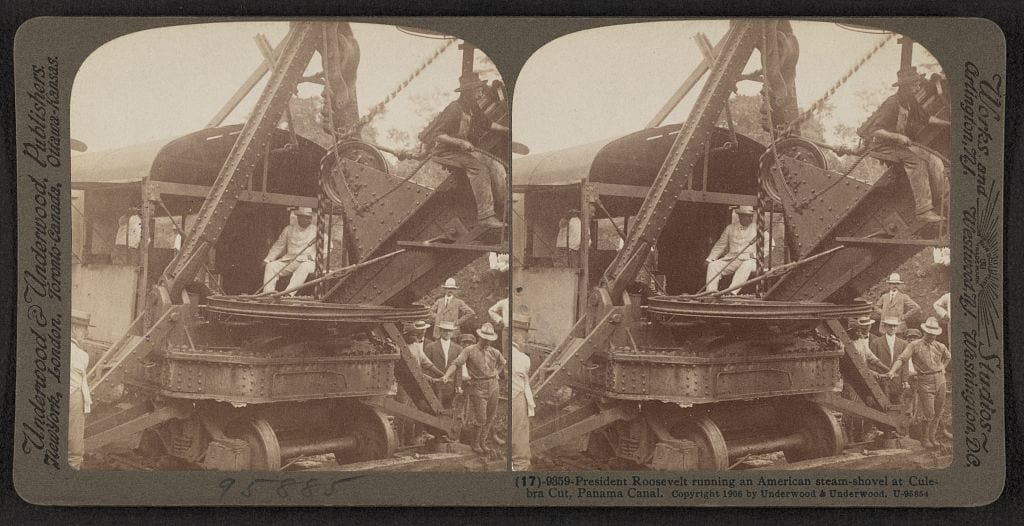
- 1914Panama Canal
- 1936Hoover Dam
- 1956Interstate Highway System
- 1969Apollo 11

- NextAI, reactors and ships
How the Society will grow
The Monroe Society starts the way most lasting institutions do: with a statement of principles and a small founding cohort. The first job is to publish. That means making the case, in the journal and on social media, for a nationalist, protectionist and populist America that guards its hemisphere and stays out of wars that weaken it.
Through 2027
As the waitlist grows, members will be admitted in cohorts. They get a private forum for debate, a private Discord for organizing, and early access to the policy desk’s first briefing series.
Through 2028
During the presidential race the Society will score candidates against the Ten Articles, put recommendations to the members, and issue endorsements. State chapters will recruit volunteers and carry the message locally.
Independence
The Society belongs to no party and no candidate. We endorse on principle, and we will say so plainly when either party falls short of the national interest.