More Than a Creed: Who Americans Are
A list of ideals can't make a nation. A real, recognizable American people can, and it has always grown.
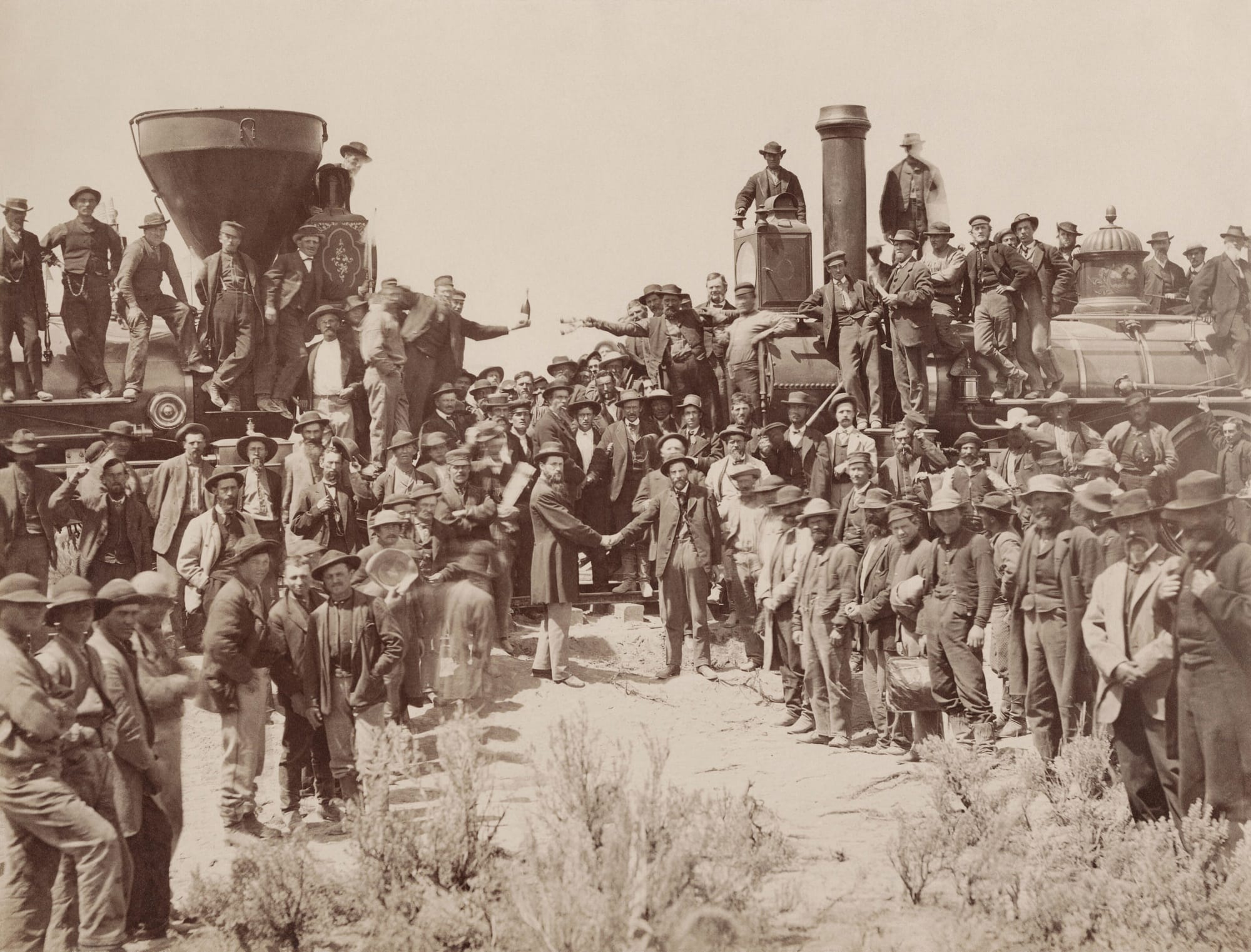
Ask what an American is and the usual answer is a creed: liberty, equality, the Constitution. Those ideals matter, and we hold them. But a creed alone can't make a people. Anyone, anywhere, can recite one.
When the nation is reduced to a list of abstractions, people go looking for something more solid, and they find it in sub-identities: Heritage American, German-American, Irish-American, Foundational Black American and dozens more. Theodore Roosevelt saw the same pull in 1915. His answer was not a thinner American identity. It was a thicker one.
A people you can recognize
The Monroe Society holds that Americans are a real people with a recognizable look and manner: how they talk, dress, eat, worship, celebrate and carry themselves, from the rodeo arena to the parish festival to the Friday night football game. You should be able to describe an American concretely, and most people, here and abroad, can.
Strands, in proportion
That people was formed by specific strands. The English who planted the colonies and gave us our language and law. The Scots-Irish of the frontier. The Germans who settled the Midwest. African Americans, here since 1619, who built the South and shaped American music and faith. The Native nations whose land and names are everywhere. The Spanish, whose vaqueros taught the cowboy his trade. The Irish, Italians, Japanese and others who came later and added their own.
Each strand belongs to the story in proportion to the part it actually played. We are not colorblind about this, and we don't pretend every contribution was the same size or the same kind. We also don't treat any single strand as America by itself. The country is the whole weave.
A boundary that widens
The boundary of who looks and sounds American has never stood still. In the 1850s the Know-Nothings treated Irish Catholics as foreigners who could never belong. Italians met the same suspicion a generation later. Today no one thinks of either as anything but American. Hispanic Americans are traveling the same road, through work, military service, faith and marriage.
That is a feature, not a flaw. It means America can know exactly what it is and still bring people in. Newcomers aren't asked to sign a creed and keep their old identity on the side. They are invited into a real people with a real history, and within a generation or two their grandchildren are simply American.
“There is no room in this country for hyphenated Americanism.”Theodore Roosevelt, 1915
What it means in practice
- No hyphens. Everyone who joins the nation becomes simply American.
- Teach American history and demography honestly and in proportion.
- Set immigration at a pace that lets newcomers grow into the inheritance.
- Celebrate the strands as parts of one American story, not as separate nations living side by side.
More from the Journal
All entries
Why We Started the Monroe Society
Our founding statement: what we believe, why we chose Monroe's name, and where we go from here.
The Hemisphere Comes First
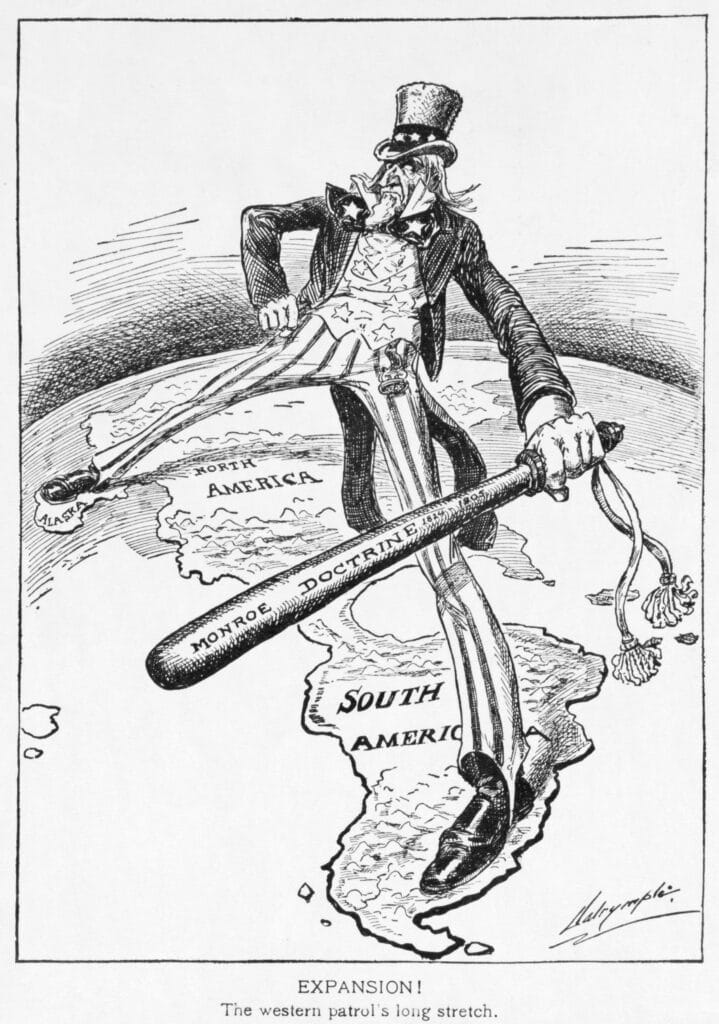
Why removing Maduro made America stronger, and why a war in Iran does the opposite.

The McKinley Mandate: Tariffs for Strategic Industry
A framework for lasting, targeted protection of the industries a sovereign country cannot do without.